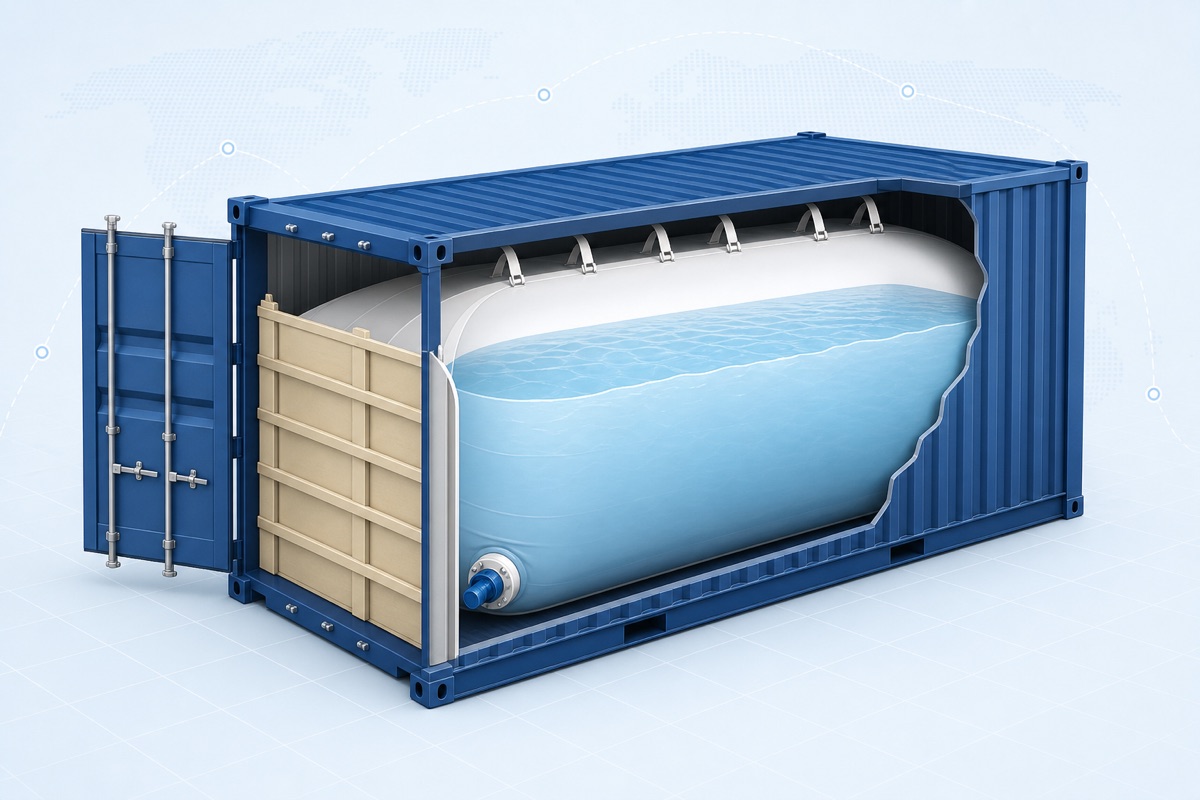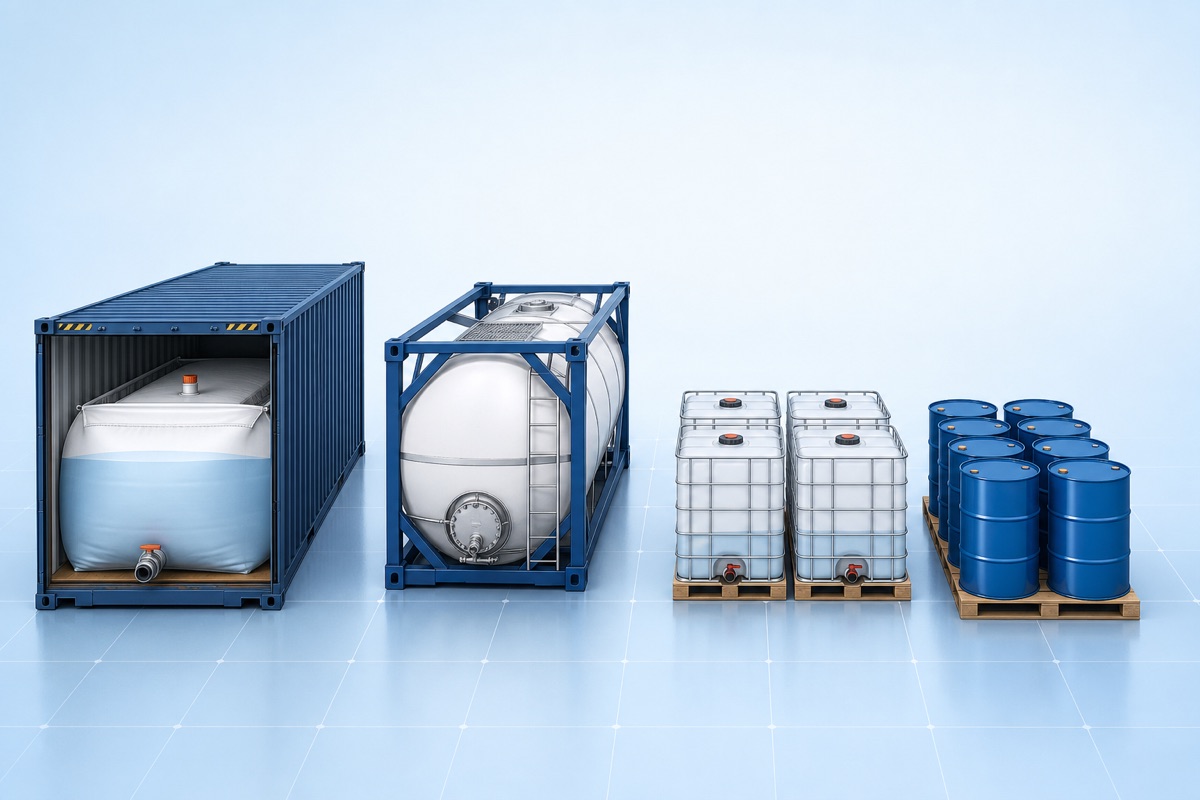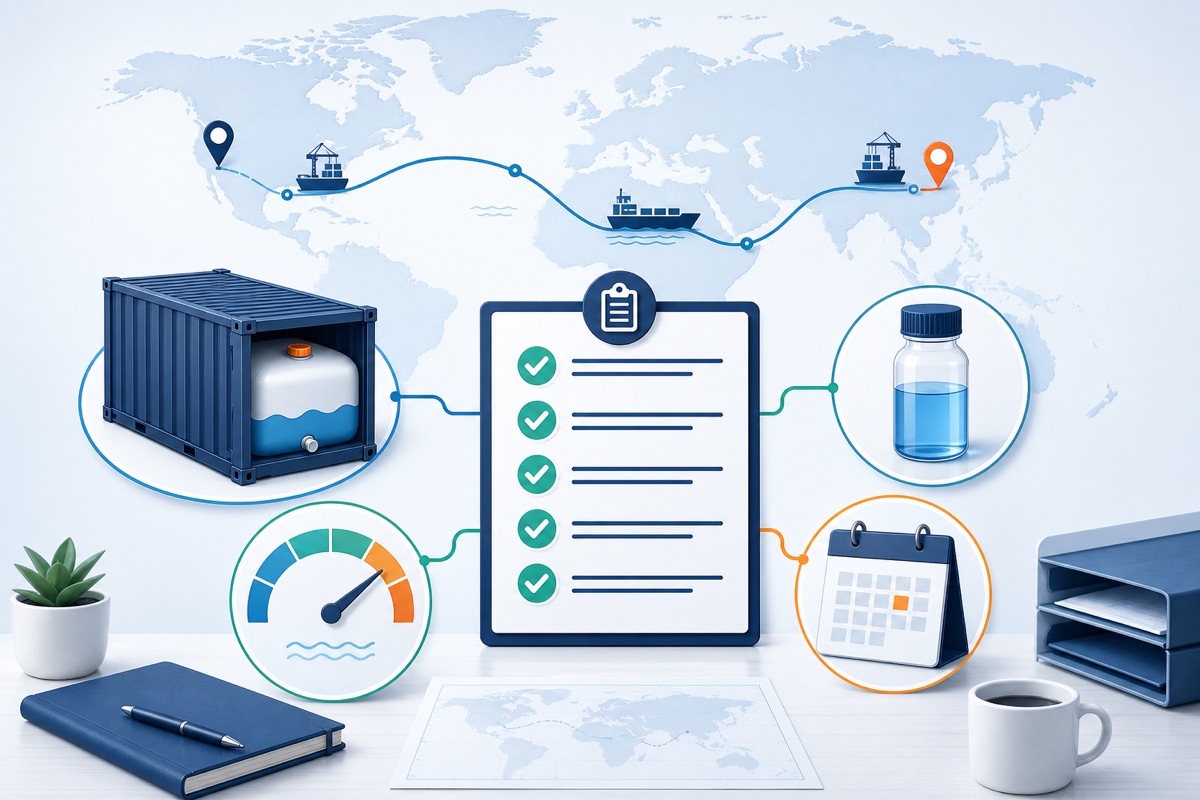
A request that says only “send a flexitank price” cannot define a safe or comparable service. The supplier first needs to know exactly what the liquid is, whether it may be considered for the proposed system and what the complete origin-to-destination movement requires.
Use this checklist to reduce follow-up questions. It creates a quote-preparation brief, not final compatibility approval, carrier acceptance, booking confirmation or operating instruction.
1. Cargo identity and classification
Provide the exact commercial product name, grade, manufacturer or responsible supplier and intended use. Similar product names can hide different formulations, so a prior acceptance should not be copied to a new grade without review.
Attach the current SDS when applicable and state the dangerous-goods classification. For food products, add a technical specification and the required food-contact, allergen, kosher, halal or other buyer documents only where they genuinely apply.
- Exact product and grade
- Current SDS revision and transport classification
- UN number or confirmation that none applies, subject to review
- Food or technical specification and relevant buyer requirements
- Previous flexitank use as context—not as automatic approval
Declaring a cargo non-dangerous does not make it automatically compatible. The documents must support technical, carrier and route review.
2. Physical properties and temperature conditions
Density is needed to convert the intended liquid volume into cargo mass. Viscosity and flow behaviour help define pumps, hoses, loading time assumptions and whether temperature conditioning may be needed. Supply values at the relevant temperatures, not an unexplained single figure.
State the expected cargo temperature during filling, sea or inland transit and discharge. Identify crystallisation, phase change, settling, sensitivity to heat or any restriction on agitation. Technical parties must approve any heating arrangement.
| Data | Useful format |
|---|---|
| Density | Value, unit and reference temperature |
| Viscosity | Value or range, unit and temperature |
| Loading temperature | Target and permitted range |
| Transit limits | Minimum, maximum and product-quality basis |
| Discharge temperature | Target range and approved conditioning method, if any |
3. Route, schedule and responsible parties
Name the actual loading location, port of loading, port of discharge and final delivery location. Country names alone are not enough to evaluate inland legs, terminals, transshipments, climate or local service coverage.
Add the cargo-ready date, delivery window, preferred carrier if any, freight forwarder status and whether a booking already exists. Carrier policy must be checked for the cargo, flexitank system and route before it is treated as accepted.
- Origin site, loading port and export country
- Discharge port, destination site and import country
- Transshipment or special inland legs if known
- Cargo-ready date and required arrival window
- Shipper, forwarder, consignee and technical contact roles
4. Quantity, container plan and verified mass
State the total quantity, intended quantity per container, expected number of containers and shipment frequency. Include both volume and mass when available, together with the density used for the conversion.
The service provider must check the intended fill against the selected system, container payload, carrier rules and route constraints. For sea shipments subject to SOLAS, the shipper is responsible for providing verified gross mass in time for the stowage plan; VGM does not replace cargo or carrier approval.
- Total litres or other stated volume unit
- Total cargo mass and intended mass per container
- Container count, one-off or recurring frequency
- Container type and supply responsibility
- VGM method, responsible party and submission deadline
5. Loading, discharge and service scope
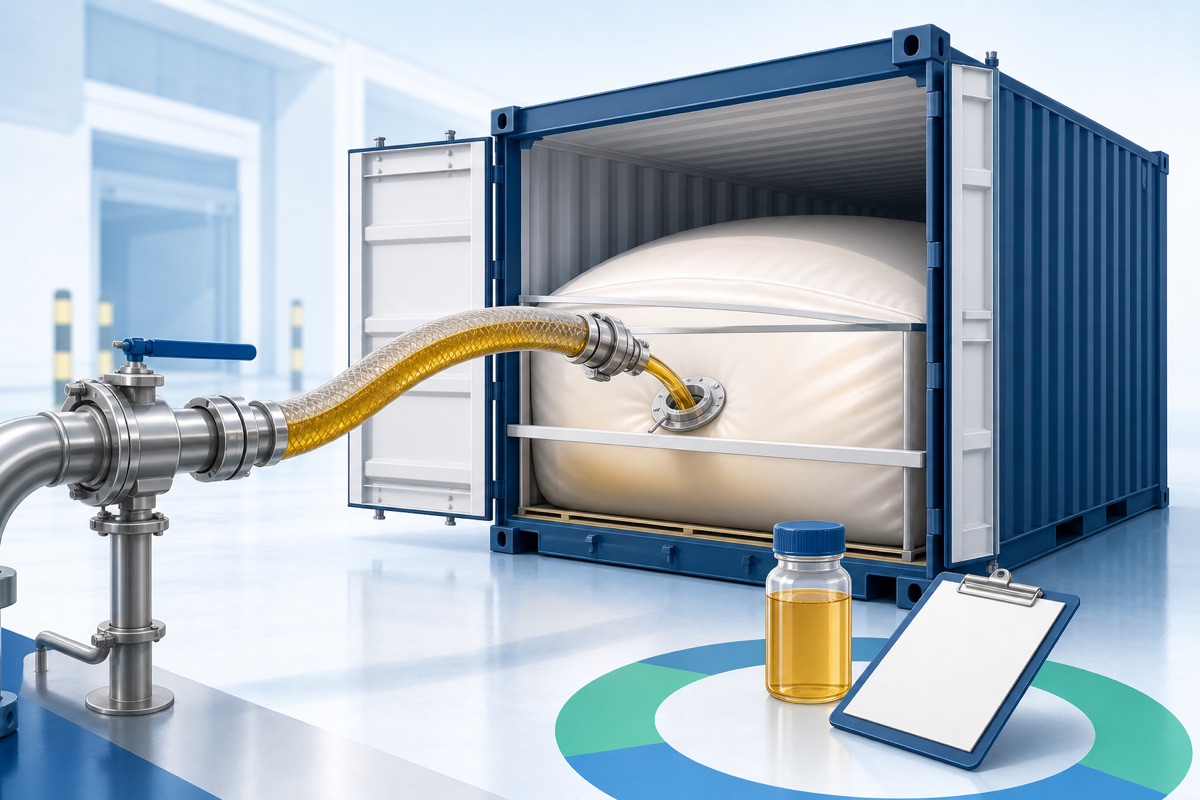
A comparable quote must say who supplies and checks the container, installs the system, supervises loading, provides hoses or pumps and supports the destination. Describe each site's experience and constraints rather than assuming standard equipment is present.
Define discharge support, bag removal, residue management and local recycling or disposal responsibilities. If a supplier excludes these activities, the buyer needs a separate plan and cost for them.
| Service question | Information to provide |
|---|---|
| Container and installation | Who sources, inspects, positions and installs? |
| Loading | Pump, hose, coupling, supervision, flow and access conditions |
| Destination | Receiving capacity, discharge method, labour and appointment limits |
| After use | Drainage, removal, recovery or lawful disposal owner |
| Contingency | Escalation contact and response for damage, leak or delay |
6. What a useful quote response should make clear
The response should separate confirmed scope, assumptions, exclusions and pending approvals. It should identify the proposed system, included origin and destination services, validity conditions, documentation needed and the next responsible party.
If essential cargo, route or site data is missing, the correct output is a targeted request for information or human technical review—not a confident price or suitability claim. BeLiquid structures the inquiry and handoff; it does not issue final compatibility or carrier decisions.
- Cargo and route used as the quote basis
- Included equipment and services at each location
- Explicit exclusions and customer-supplied items
- Compatibility, carrier, booking and document status
- Commercial validity, lead-time assumptions and next action
Frequently asked questions
Can I get a flexitank quote without an SDS?
A preliminary information request may be possible, but technical screening usually needs a current SDS for industrial liquids. If an SDS is not applicable to a food product, provide an adequate specification and classification information. Missing documents should be flagged, not guessed.
Why does a quote need density?
Density converts the planned liquid volume into cargo mass. That mass is needed to review the flexitank system, container payload, inland limits and verified gross mass plan.
Does a quote confirm the cargo is compatible?
Not unless the authorised technical party explicitly includes written compatibility confirmation for the exact cargo and conditions. Treat price, compatibility, carrier acceptance and booking as separate statuses.
Why are loading and discharge temperatures required?
They affect viscosity, transfer equipment, product quality and the limits of bag, valve, hose and any approved heating setup. A product may behave very differently across the route.
How do I compare two flexitank quotes?
Normalise the cargo, route, quantity and dates, then compare included equipment, installation, supervision, origin and destination support, document review, contingency terms, used-bag handling and exclusions.
Authoritative references
Prepare a complete flexitank quote request
Send the cargo name, SDS or specification, physical properties, route, dates, quantities and site requirements. We will turn them into a structured brief and show which approvals or details are still pending.
Start the quote checklist